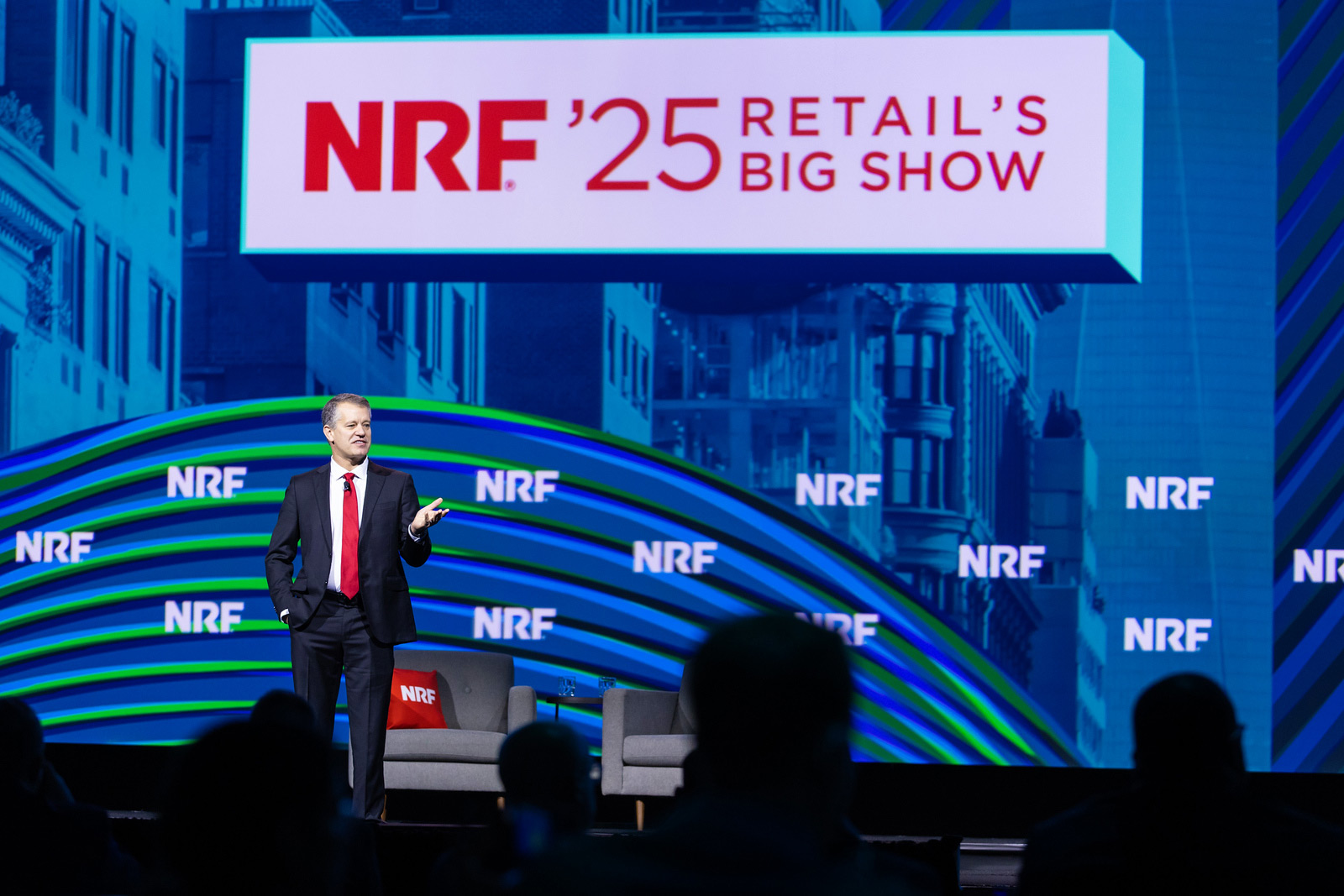
The National Retail Federation’s (NRF) 2025 Big Show, hosted in New York City from January 12-14, reaffirmed its role as the premier event for retailers worldwide. With over 6,200 brands, industry leaders, and innovators in attendance, the event showcased groundbreaking technologies, emerging trends, and actionable insights for shaping the future of retail. From the adoption of artificial intelligence (AI) to evolving customer experience strategies, NRF 2025 provided a roadmap for retailers to stay competitive and thrive in an ever-changing landscape. Here are a few highlights of the event.
Embracing Artificial Intelligence in Retail
One of the most significant themes of the NRF 2025 conference was the role of AI in redefining the retail experience. From streamlining operations to enhancing customer engagement, AI is becoming an indispensable tool for the industry.
- Digital Twins for Operational Excellence
NVIDIA’s demonstration of digital twins was among the standout highlights. Digital twins—virtual replicas of physical retail environments—enable businesses to test different scenarios, optimize store layouts, and fine-tune inventory strategies in real time. For example, retailers can simulate high-traffic periods and assess how modifications in store design impact foot traffic and sales. These insights allow for more precise and agile decision-making, reducing overhead costs and improving operational efficiency. - AI-Powered Shopping Carts
Another exciting innovation came from Shopic, which introduced AI-enabled smart shopping carts. These carts go beyond convenience by integrating real-time product recommendations and personalized promotions. Imagine a customer browsing in-store, and the cart suggests complementary items or offers discounts tailored to their preferences. This not only elevates the shopping experience but also boosts conversion rates. - Personalized Customer Engagement
AI’s ability to deliver hyper-personalized experiences continues to be a game-changer. Retailers like Sephora and Nike are leveraging AI-driven customer data to create tailored marketing campaigns, product suggestions, and loyalty programs. This trend reinforces the importance of data analytics in understanding consumer behavior and enhancing the customer journey.
Building Emotional Connections with Customers
While technology dominated the conversations at NRF 2025, the human element of retail remained a key focus. The event emphasized that emotional connections are at the heart of successful customer relationships.
- Understanding Customer Aspirations
Speakers like Dylan Lauren, Founder & CEO of Dylan’s Candy Bar, highlighted the importance of creating unique and memorable experiences. Retailers can no longer rely solely on products; they must tell a story and connect with their audience on a personal level. This can range from immersive in-store experiences to campaigns that reflect shared values with their customers. - The Role of Purpose-Driven Retail
Consumers increasingly seek brands that align with their values, whether it’s sustainability, diversity, or social responsibility. Brian Cornell, CEO of Target, spoke about the importance of corporate responsibility and community engagement in building trust and loyalty. By integrating these principles into their marketing strategies, retailers can differentiate themselves in a crowded marketplace.
Industry Adoption of Innovation
The adoption of innovative technologies showcased at NRF 2025 varies across the retail spectrum, with industry leaders paving the way for smaller businesses to follow suit.
- Large-Scale Retailers Leading the Charge
Companies like Walmart and Amazon are at the forefront of adopting AI and automation. Walmart’s focus on leveraging AI to streamline supply chain logistics is a prime example of how large-scale retailers are driving operational excellence. Similarly, Amazon’s Just Walk Out technology, which eliminates checkout lines, exemplifies how innovation can enhance customer convenience. - Small and Medium Enterprises (SMEs) Catching Up
For SMEs, the barrier to adopting advanced technologies has traditionally been cost. However, the growing accessibility of AI tools and cloud-based solutions is enabling smaller retailers to compete. At NRF 2025, companies like Shopify unveiled scalable solutions tailored to the needs of SMEs, helping them integrate AI into their operations without significant financial strain.
Challenges in Implementing Retail Innovation
Despite the promising outlook, integrating new technologies and strategies is not without challenges. Retailers must navigate these obstacles to fully realize the potential of innovation.
- Data Privacy Concerns
The increasing reliance on customer data for personalization and AI applications raises questions about data security and privacy. Retailers must ensure compliance with regulations like GDPR and CCPA while maintaining customer trust. Transparent communication and robust security measures are critical in this regard. - Integration with Legacy Systems
Many retailers still operate on legacy systems that are incompatible with modern technologies. Upgrading these systems requires significant investment and careful planning to avoid disruptions in operations. This challenge is particularly acute for mid-sized retailers looking to scale. - Employee Training and Adoption
The adoption of AI and automation also necessitates a shift in workforce skills. Employees must be trained to work alongside advanced technologies, which can be a daunting task for retailers with large teams. Ensuring buy-in from staff at all levels is essential for successful implementation.
Emerging Trends Highlighted at NRF 2025
The conference highlighted several trends poised to shape the future of retail, offering insights into what consumers can expect in the coming years.
- Sustainability Takes Center Stage
Sustainability was a recurring theme throughout NRF 2025. Retailers are increasingly adopting eco-friendly practices, from using sustainable materials in products to minimizing waste in supply chains. Brands like Patagonia and IKEA are setting benchmarks in this area, demonstrating that environmental responsibility and profitability can coexist. - The Rise of Live Shopping
Live shopping is revolutionizing the retail experience by blending entertainment with commerce. This trend, popularized in markets like China, is gaining traction in the U.S. Retailers are using platforms like TikTok and Instagram to host live events where influencers showcase products and interact with viewers in real time, driving sales and engagement. - Reimagining Brick-and-Mortar Spaces
Physical stores are evolving into experiential hubs. Instead of focusing solely on transactions, retailers are using their spaces to create immersive brand experiences. For example, Nike’s flagship stores feature interactive zones where customers can personalize products, while Apple Stores continue to set the standard for in-store customer engagement.
Specific Use Cases of Retail Innovation
The NRF 2025 Big Show provided numerous examples of how retailers are applying innovative solutions to real-world challenges.
- Dynamic Pricing in Grocery Retail
Grocery chains like Kroger are using AI to implement dynamic pricing strategies. By analyzing factors such as demand, inventory levels, and expiration dates, these systems can adjust prices in real time to optimize sales and reduce waste. - Augmented Reality (AR) in Fashion
AR is transforming the fashion industry by allowing customers to virtually try on clothes and accessories. Brands like Gucci and Zara are using AR apps to enhance the online shopping experience, reducing returns and increasing customer satisfaction. - Robotics in Warehousing
Retail giants like Amazon and Walmart are deploying robots in their warehouses to improve efficiency. These robots handle tasks such as sorting, packing, and inventory management, allowing human workers to focus on more complex activities.
Implications for Retail Marketers
The innovations and trends showcased at NRF 2025 hold significant implications for retail marketers looking to stay ahead of the curve.
- Leveraging AI for Personalization
AI enables marketers to create more targeted campaigns by analyzing customer behavior and preferences. This not only enhances the customer experience but also increases ROI by delivering the right message to the right audience at the right time. - Creating Multichannel Experiences
With consumers expecting seamless experiences across online and offline channels, marketers must adopt an omnichannel approach. This involves integrating e-commerce platforms, mobile apps, and physical stores into a cohesive ecosystem. - Focusing on Customer-Centric Strategies
In an era where customers expect more than just products, marketers must prioritize storytelling and emotional engagement. Campaigns that resonate with customers on a personal level are more likely to drive loyalty and advocacy.
The Road Ahead
The NRF 2025 Big Show was a testament to the retail industry’s resilience and adaptability. By embracing innovation, building emotional connections, and addressing emerging challenges, retailers can navigate the complexities of a rapidly evolving landscape. For retail marketers, the event served as a valuable reminder that the key to success lies in balancing technological advancements with a deep understanding of customer needs.
As we move forward, the insights from NRF 2025 will undoubtedly shape the strategies and priorities of retailers worldwide. Whether it’s through AI-powered solutions, sustainable practices, or immersive experiences, the future of retail promises to be as dynamic and exciting as ever.