
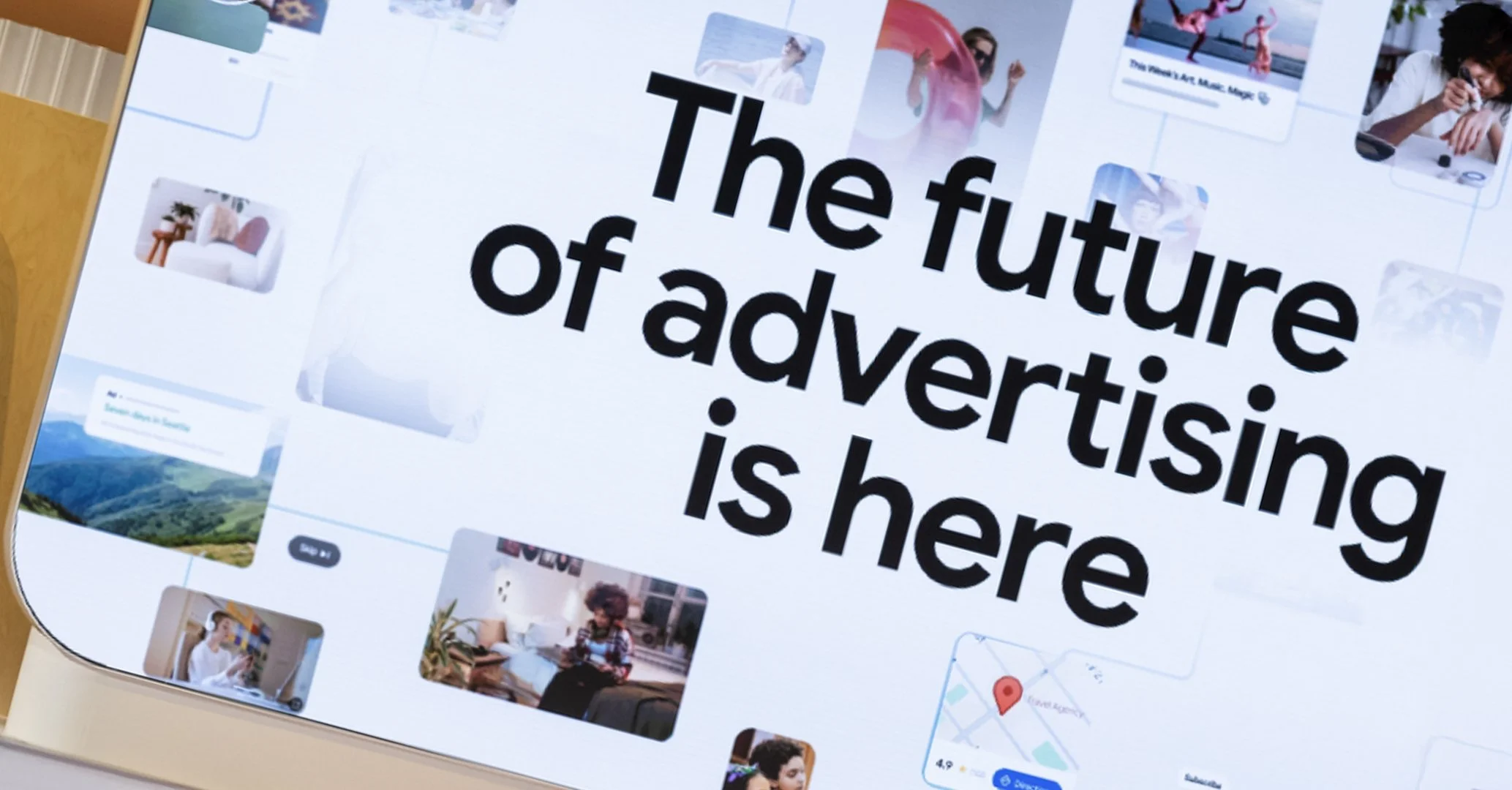
The digital media industry entered 2025 with momentum and is exiting it with clarity. Over the past year, marketers navigated accelerating platform convergence, the rapid rise of generative AI, and a renewed focus on trust, transparency, and media quality. What once felt like emerging trends became operational realities, and what had been optional best practices became baseline requirements.
As we look ahead to 2026, the conversation has shifted. The question is no longer whether media will be more automated, more video-driven, or more AI-assisted. Those outcomes are already locked in. The more pressing question is how brands, agencies, and platforms will balance innovation with control, scale with quality, and speed with accountability.
The 2026 media landscape will be shaped directly by the lessons of 2025. Social media and digital video solidified their role as the center of gravity for attention. Connected TV continued its march toward maturity while exposing new vulnerabilities. Retail media networks moved from experimental line items to core performance drivers. Generative AI crossed from curiosity into infrastructure, bringing both opportunity and risk.
Taken together, these shifts point to a defining theme for 2026. Media quality will be the currency that determines performance.
2025 in Review: A Year of Acceleration and Exposure
If 2024 was about experimentation, 2025 was about exposure. The industry moved faster than ever, but that speed revealed cracks across the ecosystem.
The defining characteristic of 2025 was acceleration. Media formats grew faster than governance frameworks could keep up. New inventory flooded the market across social feeds, short-form video, connected TV, influencer ecosystems, and retail media extensions. At the same time, AI dramatically lowered the cost and friction of content creation.
This expansion delivered opportunity, but it also introduced new risks. Brands increasingly discovered that scale without visibility came at a cost. Fraud, low-quality inventory, brand adjacency issues, and declining attention all became more visible as spend increased.
The winners in 2025 were not the loudest or fastest brands. They were the ones that invested in understanding where their ads appeared, how audiences engaged, and which signals actually drove performance. The losers were those that assumed reach alone would deliver results.
Several key shifts defined the year.
First, digital video overtook nearly every other format in strategic importance. Video consumption surged across social platforms, mobile environments, and streaming services. As a result, video budgets expanded rapidly, often absorbing dollars previously allocated to display or audio. However, this growth revealed how inconsistent video quality could be, especially when ads ran adjacent to user-generated or AI-generated content.
Second, social media solidified its role as both a cultural engine and a performance channel. Social was no longer treated as a single environment. Instead, marketers increasingly recognized that feed placement, creator content, format, and context all materially influenced outcomes.
Third, generative AI moved from novelty to infrastructure. AI tools were embedded into content creation, targeting, optimization, and measurement workflows. While enthusiasm was high, so was caution. Marketers learned that not all AI-generated environments delivered the same quality, credibility, or user experience.
Finally, measurement expectations evolved. Traditional KPIs like impressions and clicks remained relevant, but they were no longer sufficient. Viewability, attention, suitability, fraud prevention, and transparency became foundational requirements rather than optional enhancements.
The Convergence of Social and Digital Video
 One of the most important lessons from 2025 was that social and digital video are no longer distinct channels. They are deeply interconnected ecosystems where content flows across feeds, formats, and devices.
Short-form video dominated attention. In-feed video units blurred the line between advertising and content. Influencer videos increasingly resembled brand creative, while brand creative adopted creator-style storytelling. This convergence created both opportunity and risk.
On the opportunity side, brands gained access to massive, highly engaged audiences. Video formats enabled storytelling at scale and delivered stronger emotional resonance than static formats. When executed well, video drove measurable lift across awareness, consideration, and conversion metrics.
On the risk side, adjacency became a defining concern. Ads did not always appear next to content aligned with brand values. The rise of synthetic video, deepfakes, and low-quality repurposed content further complicated placement decisions.
In 2026, the most successful video strategies will not be defined by volume alone. They will be defined by precision. Brands will need to evaluate video inventory at a granular level, considering not just platform reputation, but content context, creator credibility, and user experience.
Media Quality Moves From Defensive Metric to Performance Driver
Historically, media quality was often treated as a defensive investment. It was about avoiding fraud, blocking unsafe content, and minimizing waste. In 2025, that framing began to change.
Marketers increasingly recognized that quality environments drive better outcomes. Ads placed in viewable, suitable, and engaging contexts delivered higher attention, stronger recall, and improved downstream performance.
This shift matters because it reframes quality as a growth lever rather than a cost center.
As budgets tighten and scrutiny increases in 2026, brands will be expected to justify spend not just with reach numbers, but with evidence that impressions were seen by real people in environments that supported the message.
This evolution will continue across all channels, but it will be especially critical in social media, digital video, connected TV, and retail media networks.
Generative AI: From Experimentation to Infrastructure
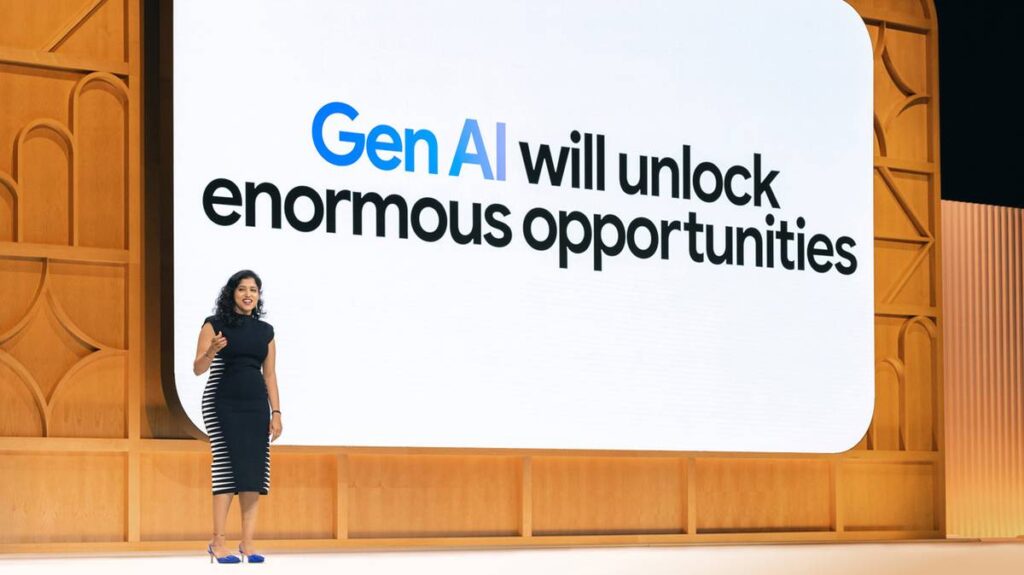 Few forces reshaped media in 2025 as quickly as generative AI. Tools that once lived in experimental labs became embedded in everyday marketing workflows.
AI accelerated content production, enabling brands to generate copy, imagery, and video variations at scale. It improved targeting and optimization by identifying patterns humans could not easily detect. It streamlined operations by reducing manual processes and enabling faster decision-making.
At the same time, AI introduced new challenges. The proliferation of AI-generated content made it harder to distinguish between high-quality editorial environments and low-value, ad-heavy experiences. Hallucinated information, duplicated content, and cluttered layouts became increasingly common.
Marketers learned that enthusiasm for AI had to be balanced with governance. Brands that applied the same quality standards to AI-driven environments as they did to traditional media were able to unlock value. Those that did not often discovered that scale without standards diluted impact.
In 2026, AI will no longer be optional. It will be foundational. The differentiator will be how thoughtfully brands apply it.
Influencer and Creator Media Enters a New Phase
Influencer marketing continued its rapid growth in 2025, evolving from a niche tactic into a core component of many media strategies. Creators drove engagement, authenticity, and cultural relevance at a pace traditional brand messaging struggled to match.
However, scale introduced new risks. As influencer ecosystems expanded, brands faced challenges related to consistency, disclosure, suitability, and measurement. Not every creator environment aligned with brand values, and not every partnership delivered meaningful impact.
In 2026, influencer marketing will mature further. Brands will move away from one-off activations and toward more integrated creator strategies. Suitability assessments, performance measurement, and alignment with broader media plans will become standard practice.
The future of influencer marketing is not about finding the loudest voices. It is about building trusted, scalable creator ecosystems that complement broader brand storytelling.
Connected TV: Premium Channel, Complex Reality

Connected TV solidified its role as a cornerstone of modern media strategies in 2025. As audiences continued to shift away from linear television, CTV offered the promise of premium content combined with digital targeting and measurement.
However, the reality proved more complex.
The rapid expansion of ad-supported streaming inventory introduced inconsistencies in quality. Fraud, invalid traffic, and low viewability emerged as growing concerns. Frequency management became more challenging as campaigns ran across multiple platforms and devices.
Marketers learned that treating CTV like traditional television was a mistake. It required its own measurement frameworks, quality controls, and optimization strategies.
In 2026, CTV investment will continue to grow, but success will depend on transparency. Brands will demand clearer insight into where ads run, how often audiences are exposed, and whether impressions are truly delivered to real viewers.
Above all, recognize that media quality is not a constraint on growth. It is the foundation of it.
Retail Media Networks: Performance Powerhouse Under Scrutiny
Retail media networks emerged as one of the fastest-growing channels in 2025. By connecting ad exposure directly to purchase behavior, retail media promised closed-loop measurement and strong ROI.
As networks expanded offsite and into new formats, however, familiar challenges resurfaced. Brand suitability, viewability, and fraud became concerns as retail media inventory extended beyond owned properties.
In 2026, retail media will remain a powerful performance channel, but marketers will apply higher standards. The same quality and transparency expectations applied to programmatic media will increasingly govern retail media investments.
Brands that treat retail media as a performance engine supported by strong governance will unlock its full potential.
A Practical Media Playbook for Marketers in 2026
As the industry moves into 2026, success will be defined less by chasing emerging channels and more by executing with discipline, governance, and clarity. Media environments are more complex, AI is embedded everywhere, and audiences move fluidly across platforms. What separates high-performing organizations from the rest is not access to tools, but how intentionally those tools are applied.

The following playbook outlines how marketers should approach planning, execution, and optimization in 2026, including the key steps to take, best practices to adopt, and predictions that will shape decision-making throughout the year.
1. Redefine Media Strategy Around Attention, Not Impressions
Key Steps
-
Shift planning frameworks away from volume-based reach toward meaningful exposure
-
Audit current KPIs to identify where impressions are prioritized over engagement
-
Align internal stakeholders on what attention means for your brand and category
Best Practices
-
Prioritize placements that earn real user attention rather than passive exposure
-
Evaluate video and social placements based on time-in-view, completion rates, and interaction quality
-
Align creative formats with how users naturally consume content on each platform
-
Use attention metrics to inform both creative and media optimization decisions
Predictions
-
Attention-based metrics will increasingly influence budget allocation decisions
-
Platforms that cannot demonstrate attention quality will face growing scrutiny
-
Creative effectiveness and media quality will become inseparable performance levers
2. Build Media Plans That Assume AI Is Everywhere
Key Steps
-
Accept that AI-generated content is now a permanent part of the media ecosystem
-
Define internal standards for advertising alongside AI-generated environments
-
Establish governance frameworks that outline acceptable use cases and escalation protocols
Best Practices
-
Treat AI-generated environments with the same scrutiny as human-created content
-
Establish clear suitability guidelines for AI-driven content adjacency
-
Use AI to accelerate planning, testing, and optimization while maintaining human oversight
-
Invest in tools that classify, evaluate, and monitor AI-generated content at scale
Predictions
-
Brands without AI governance standards will face reputational and performance risk
-
AI-powered efficiency will widen the gap between disciplined and undisciplined advertisers
-
Oversight and transparency will become competitive advantages, not constraints
3. Move From Channel Silos to Unified Media Orchestration
Key Steps
-
Break down internal planning structures that isolate channels by team or budget
-
Define shared objectives and success metrics across all media environments
-
Implement cross-channel reporting frameworks that support holistic optimization
Best Practices
-
Plan media holistically across social, video, CTV, influencer, retail media, and the open web
-
Apply consistent quality and performance standards across platforms
-
Optimize frequency, sequencing, and messaging across channels rather than within silos
-
Use unified dashboards to identify overlap, waste, and incremental reach
Predictions
-
Cross-channel orchestration will outperform single-channel excellence
-
Fragmentation will increase the cost of operating in silos
-
Unified measurement will become a baseline expectation, not a differentiator
4. Treat Media Quality as a Growth Lever, Not a Safety Net
Key Steps
-
Reframe media quality from risk mitigation to performance acceleration
-
Integrate quality signals directly into optimization and planning workflows
-
Align media quality accountability across marketing, analytics, and finance teams
Best Practices
-
Measure fraud, viewability, attention, and suitability as core KPIs
-
Use real-time reporting to optimize away from waste and low-quality environments
-
Tie media quality metrics to business outcomes such as conversions, revenue, and efficiency
-
Apply quality thresholds consistently across all buying methods and partners
Predictions
-
Brands that invest in media quality infrastructure will drive higher ROI
-
Quality-driven optimization will outperform cost-driven buying strategies
-
Media quality will increasingly be used as a proxy for performance predictability
5. Rethink Influencer and Creator Media as Scaled Inventory
Key Steps
-
Treat creator media as a core part of the paid media mix, not an experimental add-on
-
Establish standardized evaluation criteria for creators and platforms
-
Integrate influencer investments into broader media planning and reporting
Best Practices
-
Vet creators based on content history, audience alignment, and brand fit
-
Apply the same suitability, fraud, and performance standards used across other channels
-
Monitor adjacency risks related to creator-generated and AI-assisted content
-
Balance authenticity with accountability through clear brand guidelines
Predictions
-
Creator-led video will command a growing share of media budgets
-
Governance frameworks will determine which brands scale influencer programs successfully
-
Poorly vetted creator partnerships will become a major brand risk vector
6. Elevate Connected TV With Digital-Grade Accountability
Key Steps
-
Treat CTV as a performance channel, not a branding exception
-
Define success metrics that align CTV with broader digital objectives
-
Audit current CTV buys for transparency, frequency control, and waste
Best Practices
-
Use CTV-specific measurement to validate viewability, fraud, and delivery
-
Monitor frequency and ad fatigue at the household and device level
-
Optimize placements at the program, genre, and app level
-
Integrate CTV targeting and attribution with digital and retail media efforts
Predictions
-
Buyers will demand greater transparency as CTV budgets grow
-
CTV strategies lacking accountability will underperform relative to digital-first approaches
-
Measurement consistency will become a deciding factor in CTV partner selection
7. Bring Discipline to Retail Media Expansion
Key Steps
-
Expand retail media strategies beyond onsite placements with clear guardrails
-
Align retail media KPIs with both commerce and brand objectives
-
Evaluate offsite retail inventory with the same rigor as open web buys
Best Practices
-
Apply consistent media quality standards to retail media investments
-
Monitor adjacency risks, particularly in offsite and influencer-driven placements
-
Connect retail media performance to broader demand and lifetime value metrics
-
Use third-party measurement to validate performance and transparency
Predictions
-
Retail media will remain one of the fastest-growing channels
-
Brands that isolate retail media from broader strategy will limit its impact
-
Transparency and governance will separate leaders from laggards in retail media
8. Institutionalize Real-Time Optimization and Governance
Key Steps
-
Move away from static media plans toward adaptive operating models
-
Define escalation paths for media quality, brand safety, and performance issues
-
Equip teams with tools and authority to act quickly
Best Practices
-
Enable real-time monitoring across all active campaigns
-
Empower teams to adjust targeting, placement, and creative dynamically
-
Establish clear ownership for media quality decisions
-
Document learnings continuously to inform future planning cycles
Predictions
-
Agile organizations will consistently outperform rigid planning models
-
Speed of optimization will become a competitive advantage
-
Governance frameworks will enable innovation rather than restrict it
What This Means for Marketing Leaders
The transition from 2025 to 2026 is not simply an annual planning moment. It represents a leadership inflection point. Marketing leaders are being asked to navigate an environment defined by rapid automation, fragmented channels, and heightened risk, all while delivering measurable business impact. The challenge is no longer about adopting new tools or platforms, but about building operating models that balance innovation with discipline, speed with governance, and scale with trust.
The most successful marketing organizations in 2026 will think differently about how media works. They will treat media as an interconnected system rather than a collection of tactics, recognizing that performance is driven by how channels, data, and measurement frameworks work together. These organizations will invest in infrastructure that delivers transparency and control across the media lifecycle, allowing leaders to understand not just what worked, but why it worked and where it ran. Just as important, they will tightly align media strategy with business outcomes, ensuring that quality, efficiency, and growth are measured against real commercial impact.
Looking Ahead: The Marketer’s Mandate for 2026
The future of media belongs to brands that can manage complexity without losing clarity. As digital environments become more automated, algorithmic, and AI-driven, the role of the marketer becomes more strategic rather than diminished. Marketers in 2026 will be responsible for setting the guardrails, defining quality, and ensuring that technology serves business objectives rather than dictating them.
The year ahead will reward organizations that embrace AI while maintaining human oversight, using automation to accelerate decision-making without surrendering control. It will favor brands that treat media quality as a growth lever, not just a safety mechanism, and that design strategies around real human attention instead of surface-level reach. Above all, it will elevate marketers who build trust through transparency, consistency, and disciplined execution across every channel and partner.
The industry has entered a new chapter. Media will continue to evolve, platforms will continue to fragment, and technology will continue to advance. The defining question for 2026 is not whether change will occur, but whether marketers are prepared to lead through that change with confidence, discipline, and intent.